
-
 NAEP'S HIDDEN POWER: Understanding Achievement at the IntersectionsThe Council’s latest report, NAEP’s Hidden Power: Understanding Achievement at the Intersections, provides intersectional analyses of NAEP, the only national assessment that allows us to examine what students know and how they perform at key intersections (e.g., SES and race/ethnicity or language and disability), revealing what works, where gaps persist, and how specific groups experience school systems.16 pagesOctober 2025
 Internal Auditing in Great City SchoolsThe Council of the Great City Schools and the school internal audit experts who assembled this document suggest that strategically deploying internal audit resources helps districts effectively address high-risk areas affecting urban school districts. This white paper provides important information about the Internal Audit Function, and it describes leading practices for school district internal audit functions and the value of each.20 pagesSeptember 2025
 Academic Key Performance Indicators, 2025 ReportOver the years, the nation’s large urban school districts have consistently learned from the progress of their peer districts across the country. Great City School districts that have embraced the challenge of195 pagesOctober 2025
 Urban District Superintendents: Characteristics, Tenure, and SalariesThis study focuses on understanding the racial and gender demographics of superintendents, trends in superintendent tenure, the prevalence of turnover within demographic groups as well as the relationship between superintendent and district characteristics and base salaries.30 pagesMarch 2025
 Annual Report, 2024-2025The Annual Report features the activities and achievements of the Council of the Great City Schools during the 2024-25 program year.28 pagesJuly 2025
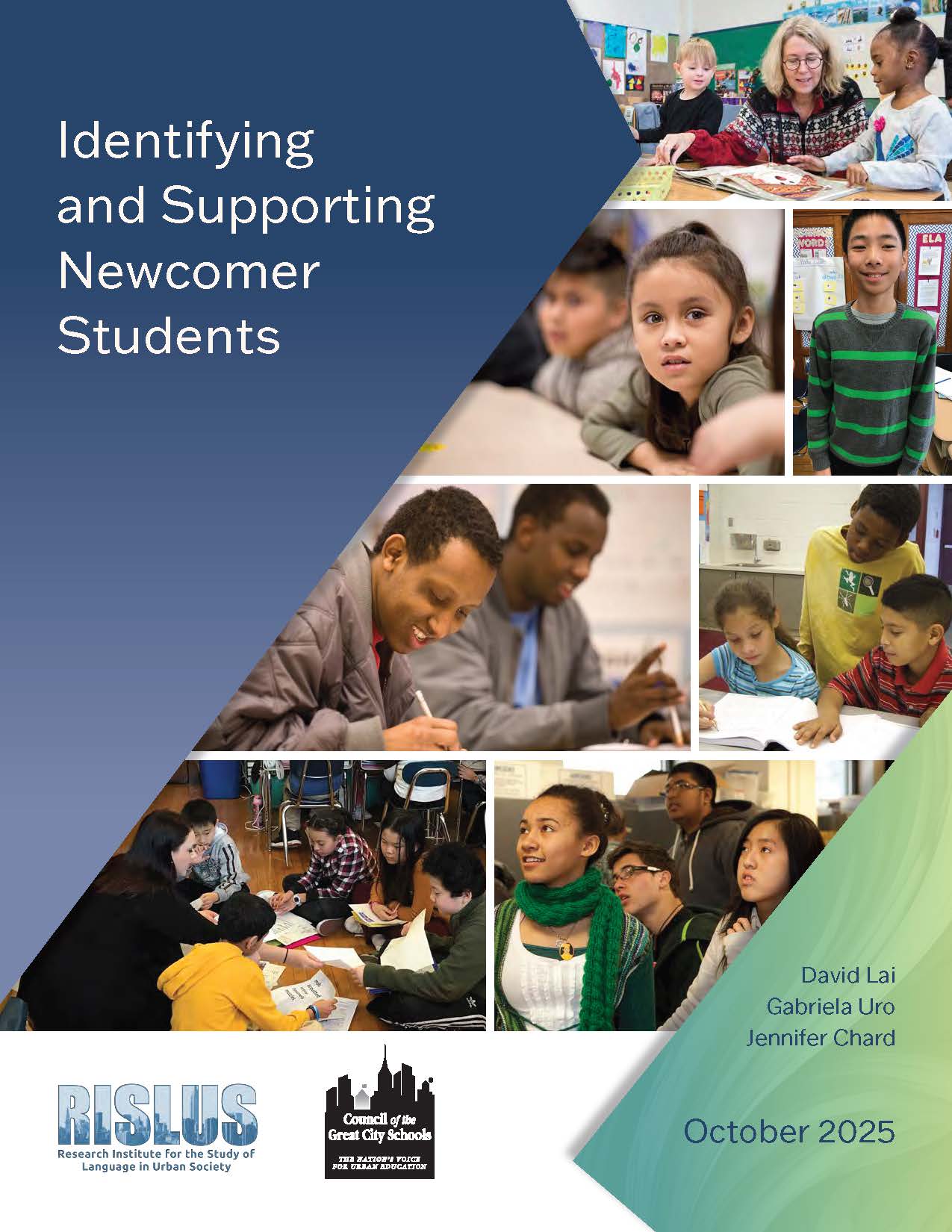 Identifying and Supporting Newcomer StudentsResponding to the needs of newcomer students in an appropriate and timely manner requires understanding their educational experiences. This guide supports districts in defining and identifying newcomers and SLIFE, determining what background information is needed, collecting it through a customizable Educational Background Questionnaire (EBQ), and using that information to inform placement decisions, instructional programming, and wraparound supports.92 pagesOctober 2025
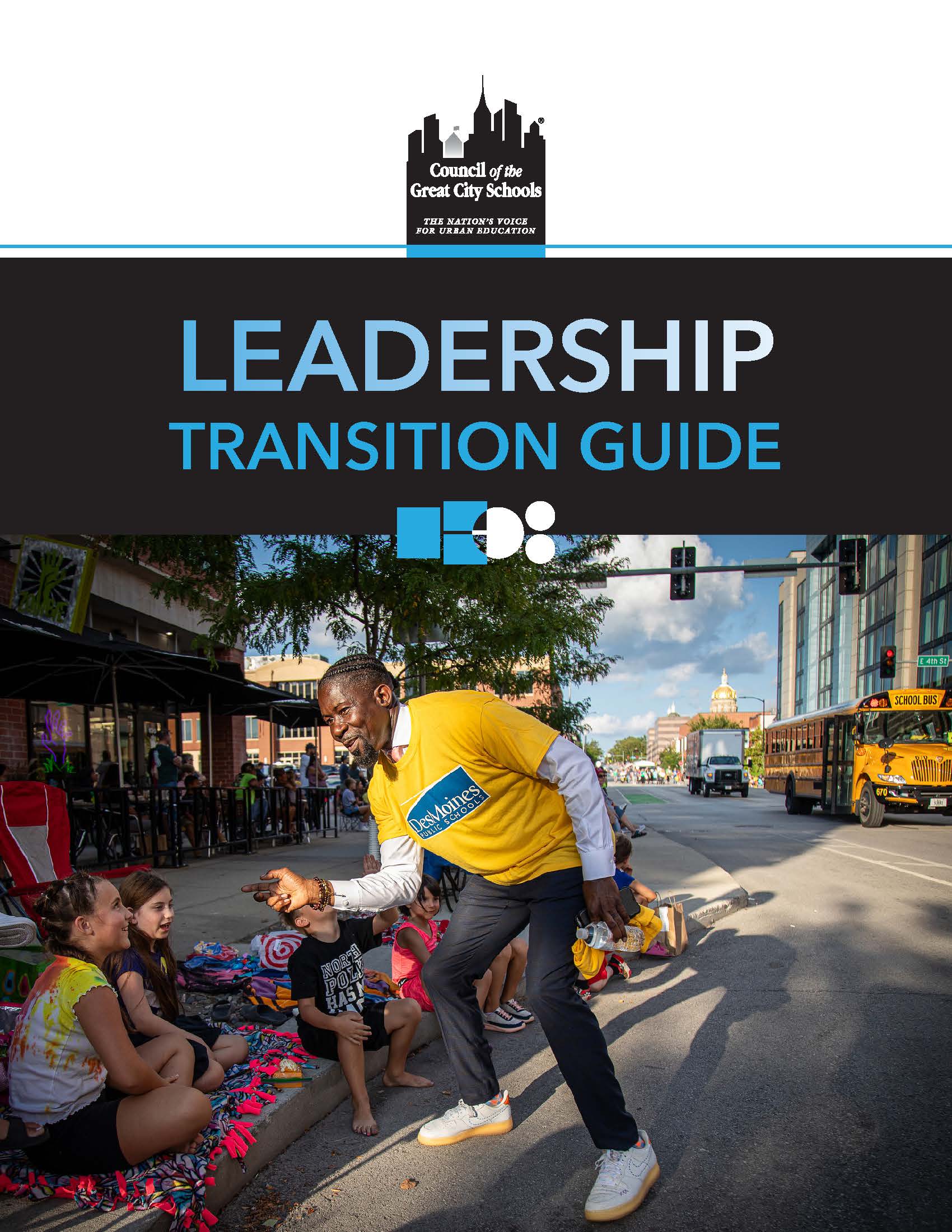 Leadership Transition GuideTransition in school district leadership is inevitable. The good news? From a communications point of view, naming a new superintendent is an opportunity to build goodwill and community partnerships. It can be a fresh start. It can be time to engage students, parents, and educators with new and exciting ideas about student achievement and stakeholder collaboration.31 pagesOctober 2024
 Academic Key Performance Indicators, 2024 ReportOver the years, the nation’s large urban school districts have consistently learned from the progress of their peer districts across the country. Great City School districts that have embraced the challenge of educating America’s urban children have recognized the value of benchmarking their performance and growth against the progress of others.196 pagesOctober 2024
